Junglist City

May 14, 2008


View of Mira Road, in the outskirts of Mumbai

[audio:http://www.airoots.org/music/Junglist.mp3]
Track by Natty Congo

The moisture spreading all over Mumbai’s buildings gives us hope for the future. It won’t be long before the weed that’s cracking through the pavement becomes trees extending their aerial roots through our asphalted streets and concrete walls. One could say that nature will takeover if the city was not already a jungle of its own kind. The city has grown and developed for decades outside planning and control. Urban ecosystems have been regulating the flux of migrants forever. Informal settlements are human beings’ natural response to the city, and its most sustainable form in the face of uncontrollability. No more informal than a forest, the unplanned city is our urban future – for the best if we are willing to engage with it.

Mass housing, even “affordable”, will never accommodate the flux of rural-urban migrants. Just as mass food production won’t solve the world food crisis. In fact, these engineered “solutions” are the root cause of the problem. On the other hand, the junglist city has an unlimited capacity to absorb and regulate transient populations. Incomers have an unlimited capacity to respond to their own needs and their collective imagination that cannot be matched by that of any architect or planner. The variety of solutions and habitats emerging from the junglist city can only be compared to the diversity of species and plants one can find in the forest.

Planners and architects’ irrational faith in formal solutions to a problem that they have invented for themselves seems to come straight out of the dark age. It perpetuates a cycle of institutional breakdown and injustice that can only be ended by acknowledging that Reason lies not in their theories, aesthetic values and moral imperatives, but in the decentralized action of hundreds of thousands of people producing the junglist city day after day. Here is the leadership that the architectural professions should follow. Imagination is required not to invent new top-down solutions, but rather to understand and support the intrinsic logic of spontaneous urban development.


This social housing built in Dharavi under the Slum Rehabilitation Authority scheme less than 8 years ago exemplifies the unsustainability of industrial-age building constructions in the social and ecological conditions of Mumbai.

The so called order that we desperately try to impose on our cities is ultimately unsustainable. The European and North American models of urban development have no future. This is maybe why an increasing number of students come and visit Indian slums. They teach us not only about the history of Western cities but also their possible future. Just as they are being aggressively promoted and developed throughout the world, more and more suburban shopping malls are closing in the US because they are too expensive to sustain and commute to. US inner-cities, which were for long left to the poor and excluded are gentrifying and densifying rapidly. European medieval city centers are being celebrated by tourists from all over the world for their charming pedestrian streets and human scale. Could the pre-industrial city be our urban future?

It is time wannabe planners and architects get off their school bench and office desks and start learning from people who actually develop livable cities. Let illegal migrants, slum dwellers, encroachers and squatters be the teachers. It is time our shadow cities get reclaimed and retrofitted with new intentions and imagination. There is no reason modern amenities should only be available in the unsustainable industrial age model. Technologies have become more flexible than ever before and can easily adapt to the malleable logic and evergrowing structures of the junglist city.


Social Nagar in Dharavi. Ever changing, ever developing Dharavi epitomizes the resilience and the endurance of the Junglist City.

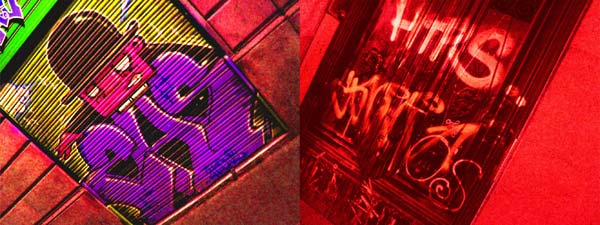
Barcallucination (2007)

May 13, 2008

Squatting the planet

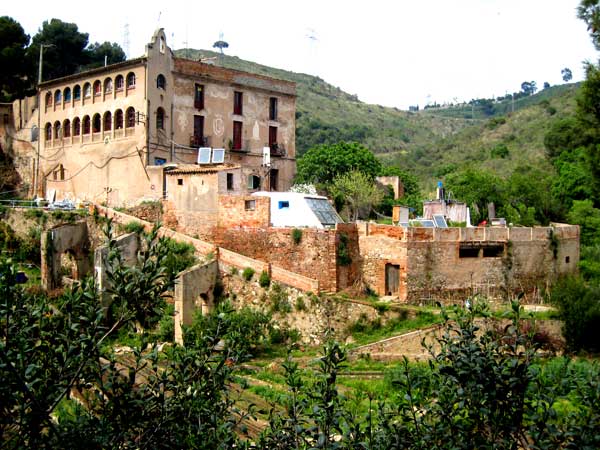
Can Masdeu is a former leper hospital in the outskirts of Barcelona, which was left unused for decades until a group of environmental activists occupied it for a conference on climate change. They stayed in the house ever since. The occupants have resurrected an ancient irrigation system and turned the property into community gardens for the neighbors, who have since become fierce defenders of the squat in front of the authorities. (Luke Cordingley in Brett Bloom & Eva Bromberg, Making Their Own Plans, 2004)

The KRAX conference in Barcelona had participants from places as diverse as Spain, Istanbul, New York, Mexico City, Helsinki, Ljubljana, and Mumbai. One recurrent theme in the discussions was that of squatting. It immediately became apparent that squatting had different and shared meanings in the East and West, North and South.

The history of squatting in European contexts has been straightforwardly tied with creative use and re-use of abandoned space. Even within a larger urban economy of relative scarcity of land one could find unused or underutilized spaces that got imaginatively infused with life by squatters from even middle-class backgrounds. Artists and cultural practitioners favoured squats as studios mainly because they were economical and flexible in the way they could be used.


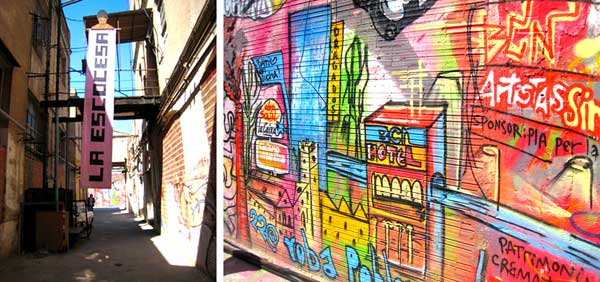
La Escocesa is an artist squat situated in Poble Nou a rapidly gentrifying area of Barcelona. The occupants are now negotiating with the authorities who left them a year to come up with a plan for its future.

On the other hand, within cities like Mumbai or Istanbul, the economic arrangement of land was such that squatting became inevitably tied down to survival issues. Subsequently, when poorer migrants squatted on available land they were pulled into an informal economy of rent-extortion, an economy that transformed many neighbourhoods into so-called slums.

Yet – in spite of such hugely differing contexts, squatting practices across the world share much in common. They become spaces of relative inclusiveness and cosmopolitanism and allow for cultural and creative expressions in control-free contexts. Even in (maybe particularly in) poorer neighbourhoods of Mumbai we find robust cultural environments that are extraordinarily diverse.

In the west, squats have been refuges for artists and cultural practitioners. They help them negotiate time, social relationships, and livelihoods with greater freedom. They also help create some of the coolest spaces for sharing ideas and bring together practitioners from diverse backgrounds to create culturally dynamic environments. Squats work in effect as cultural incubators in many of Europe`s cities. Berlin for instance, which is widely seen to have the most vibrant cultural scene in Europe, is full of such squats, especially in its eastern part.

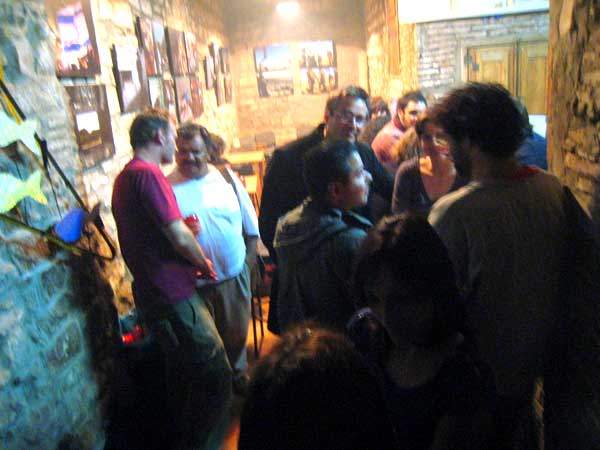
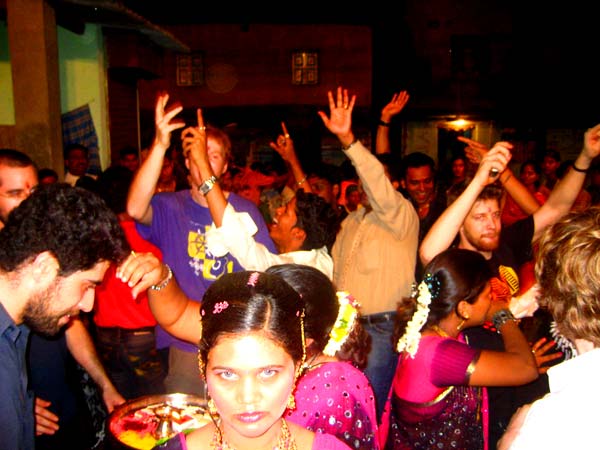
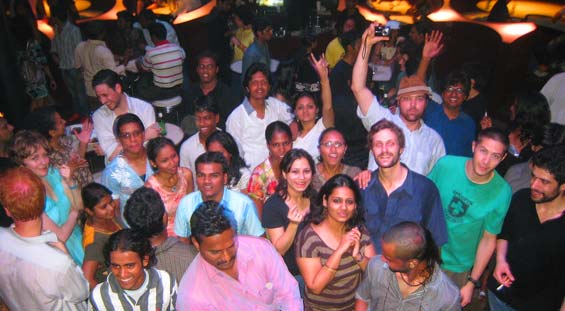
Magdalena squat provides fresh beer and good music all night long to an eclectic clientèle. In the photo above some of the guests and organizers of the KRAX Jornadas, including Tom (Belgium), The Rog (Ljubljana), El Cali (Mexico), and Mariano (Argentina).

Often middle or upper class artists from cities such as Mumbai, Tokyo or Singapore, which don’t have similar squatting histories, try and replicate the environment in a completely different context. What they land up doing is to produce gentrified spaces that are unsustainable and do not in anyway keep to the spirit of the squats. We often come across artists paying huge amounts of real-estate money to recreate a loft-like studio in an unused industrial space – having completely missed the point.

In Southern cities, it would instead be more relevant to connect with the culturally rich environments within the huge squatted spaces that exist in them. Often despised as slums or informal settlements, these structurally deprived neighborhood are often left to themselves by the authorities, for best or worst. It would work both ways if artists infused such neighbourhoods with their imagination. It would help them discover economically viable workspaces and culturally inspiring environments.

Besides, these locations, often under the threat of redevelopment projects are themselves desperately looking for inspiration for their future. They would certainly benefit from a different gaze that would see them, not as undesirable slums but as edgy places. This might infuse the neighbourhoods with just the right dose of gentrification – that the residents would actually welcome.

In so many ways cities depend on such investments of the imagination.

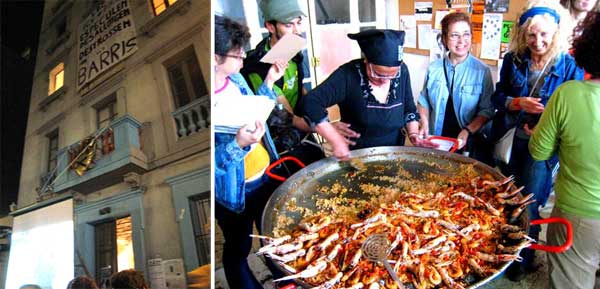
Open air movie screening and paella at the Barceloneta squat, which was destroyed a few months ago by the authorities as part of a redevelopment plan for this touristic part of Barcelona.

The experience of squatting in the West shows how this has often worked quite well in those contexts. However, today, even there, squats are becoming more endangered with builders and civic authorities doing their level best to re-use those spaces on purely commercial terms. That has not however, stopped artists from finding new ways of squatting.

Increasingly squatters need to apply their creativity to find new spaces rather than to keep existing ones. After all the art of squatting pertains to the realm of the ephemeral and the elusive. It is a survival strategy that certainly precedes the first shelter.

Barcallucination

May 12, 2008

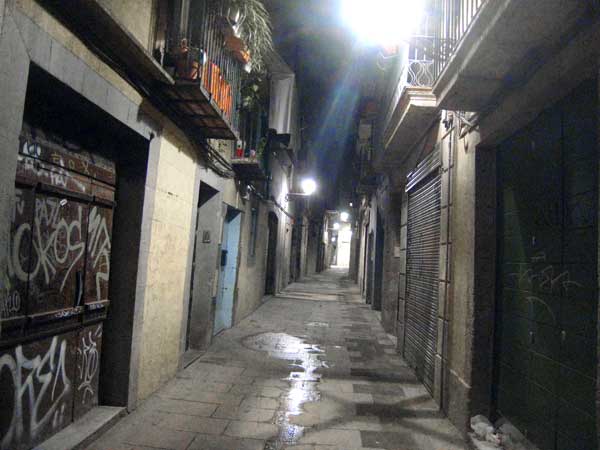
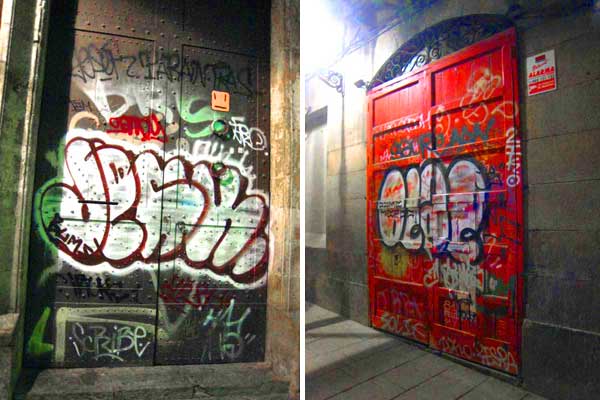
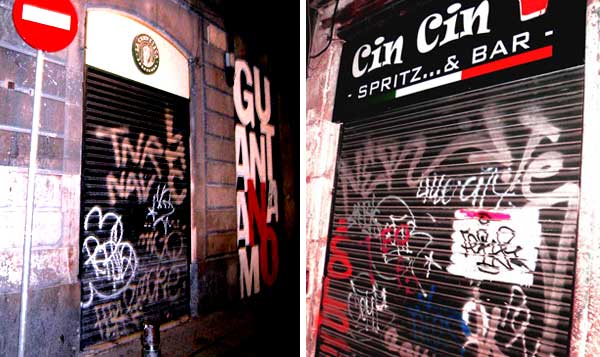
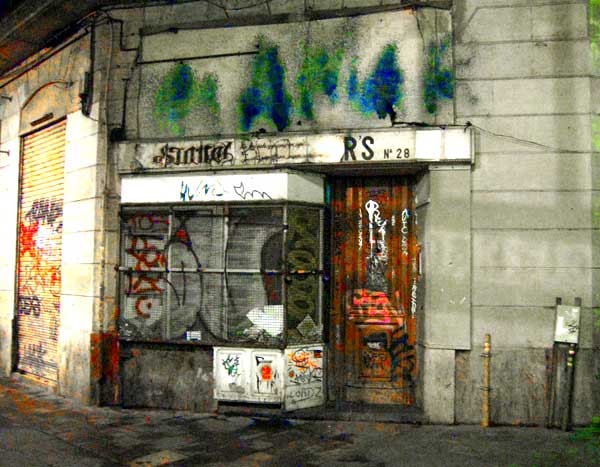
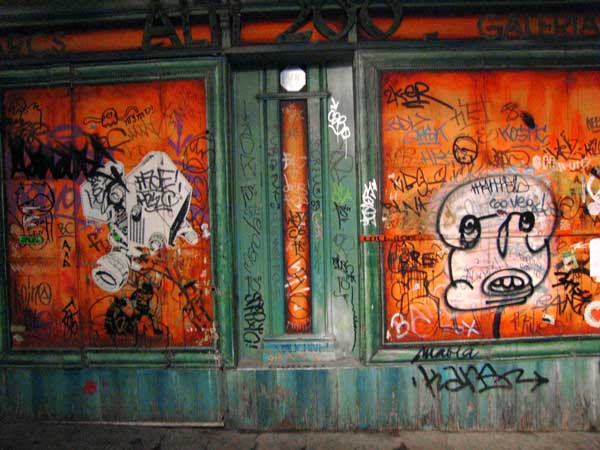
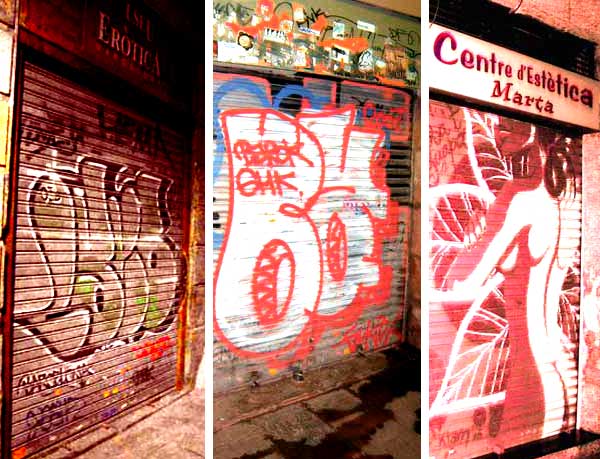
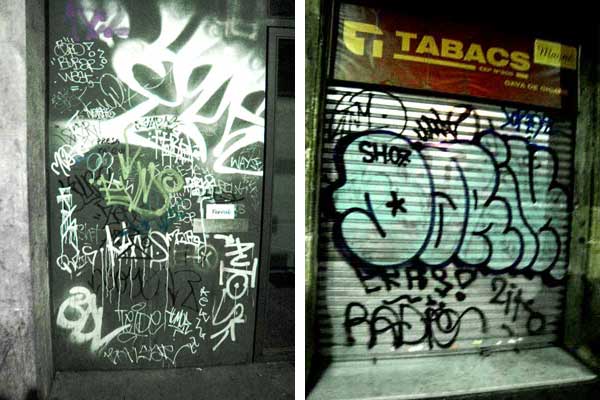
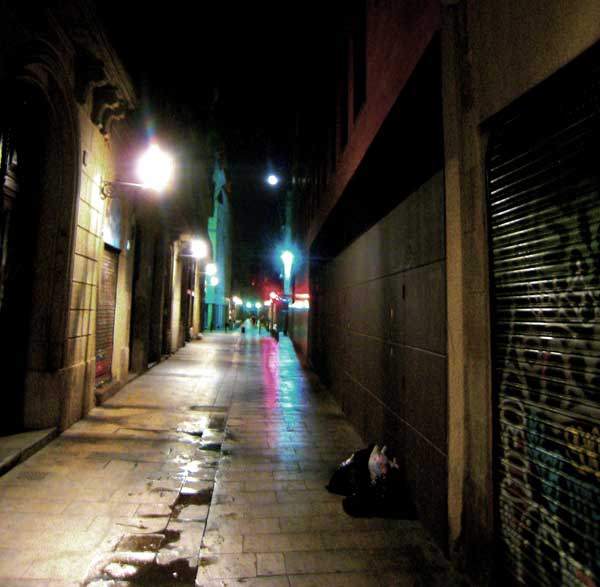
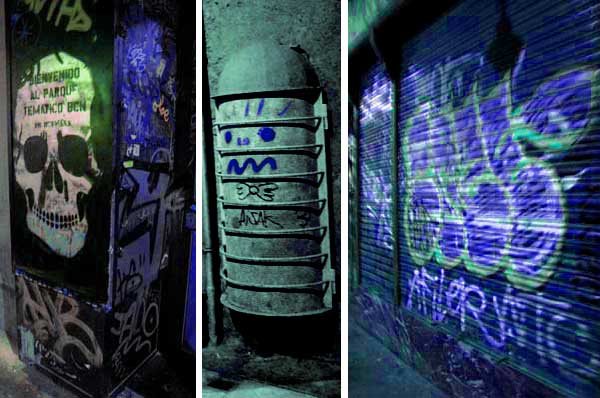
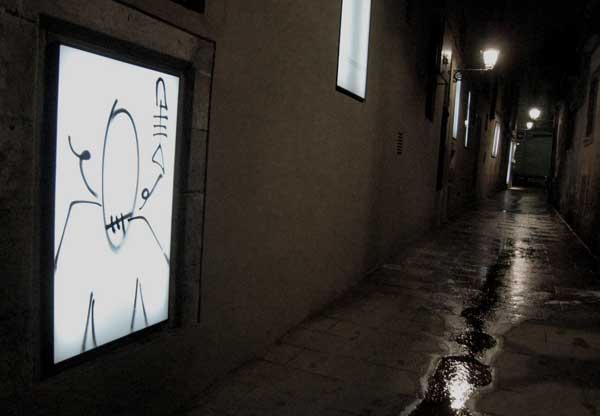
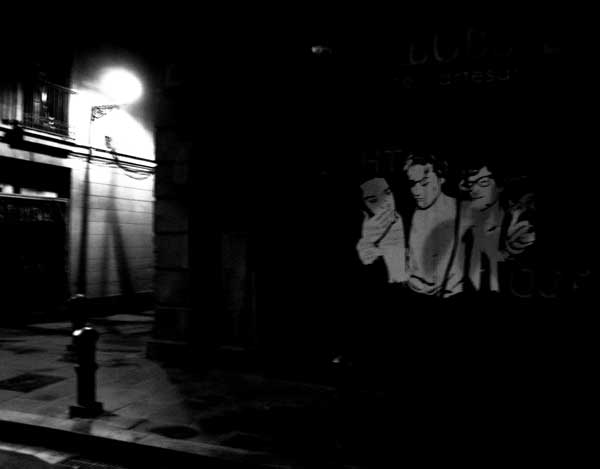
When night descends in Barcelona, when shutters are dropped and walls claim public spaces, graffiti art appears in the shadows of buildings and street-lights.

Squatting the walls. Asserting ownership of the public space. Contesting established order and aesthetic.

The spirits and creatures of the urban underworld animate the streets of Barcelona at night.

Counterpoints or extension of the deep history and rich architectural legacy of the city. Ghostly figures populating our shadow cities.

Urban Typhoon @ KRAX

April 25, 2008

The Presentation at KRAX: Barcelona – April 25, 2008

KRAX is a project that investigates, promotes and connects urban creativity in Barcelona with that of other cities. KRAX believes that Urban Creativity generates alternative proposals and reactions that are necessary to the city’s transformation. Autonomous initiatives emerge in response to the lack of value that public institutions place on the need for collectivism, participation and self-management in the process of building the city’s future. These initiatives exist at the cultural, social and economic levels, and we recognise the need to acknowledge and involve them.

1. In a sense, conversations between Urban Typhoon and PUKAR happened before we (Matias & Rahul) actually started on our joint projects. Matias’s urbanological adventures in Tokyo and Mumbai and Rahul’s experiments with urban identity and digital technology in the The Pukar Neighbourhood Project, Mumbai, had many common points of departure. For example – working creatively with residents in specific localities, raising questions about urbanism and forging deeper links with the lived experience of Mumbai and Tokyo. The different strands were woven together by the setting up of airoots/eirut that helped us go deeper into the idea and practice of Urbanology. This translated into the organization of Urban Typhoon, Koliwada Dharavi and the development of two new projects: URBZ and dot.
2. Mumbai: The city where many of our future projects are headquartered shares much of its character and personality with other metropolises – including Istanbul, Tokyo and New York. It produces many mythologies about itself – through literature and movies, gossip and routine conversations. It is capable of influencing the agendas of critical ventures such as PUKAR and Urban Typhoon and co-opting them into its own goals – most of which work like most other cities today – obsessed by real-estate development and desire to control the movement of people who immigrate to it for a living. The encounter between our projects and the city is like an encounter with a fiery uncontrollable dragon.

3. Pukar and Urban Typhoon connect and differ with each other in many ways. Pukar’s desire to work with the residents of Mumbai, look at research and knowledge production as means of engagement and focus on the youth as an investment into the city’s future overlaps with Urban Typhoon’s agendas of breaking through the professional and layperson divide that dominates urban environments today. The points of departure include Urban Typhoon’s commitment to the idea of bringing together people from diverse backgrounds and skill levels in brief but intense encounters and working directly in a locality or neighbourhood. Pukar works through a structured process of research practice through the youth on a long-term basis. Pukar’s partnership with Urban Typhoon Koliwada, Dharavi underlined these differences and similarities. In many ways, the success of Urban Typhoon’s ability of connecting with the youth was something that fed back into PUKAR’s agenda and helped re-think some ideas of research and action.

4. Dharavi – Koliwada: This celebrated and mythologized neighbourhood came to us through many entities and personalities. Working with SPARC – Society for the Promotion of Area Resource Centers and the National Slum Dwellers Federation headed by Jockin was an introduction to Dharavi, conversations with Bhau Korde, old-time resident and activist and Ravi Keny – the secretary of the Koliwada Jamaat in Koliwada were key entry-points as well. The neighbourhood is everything that it has been accused of being – dynamic, difficult, energetic, intense, brutal and extreme. It is a mammoth workshop/residential space and deals with density levels that are unimaginable and amazingly workable. Koliwada itself is an older presence and has a complicated relationship with Dharavi. It is a village that has been around for more than four centuries and got absorbed in the larger phenomenon of Dharavi – imbibing its energy and also maintaining its autonomy.

5. It was in this space that we were invited to organize the Urban Typhoon. Of bringing together visitors from all around the world – many of whom had never visited the city before to work with the community for a week, transcending linguistic, cultural and many other barriers. Urban Typhoon – Koliwada was the most condensed and intense learning experience ever. More was learnt about the possibilities and limits of all that we set out to do in these few days than anticipated. It challenged the way we thought of the idea and practice of participation and community lead urban transformation. At the same time, the Typhoon became a clearer tool of intervention in our minds. The fact that the brief encounter was capable of having an impact because of its condensed structure – its tactical and immediate quality was something that helped connect strangers in a deeper way because it was not claiming to do anything more and that the urgency and speed that it was built-into it was something that became an advantage.

6. URBZ.net and dot: At the same time the Urban Typhoon also helped set up long – term projects in Koliwada Dharavi. URBZ is a detailed city based portal lead by user-generated content. It focuses on images and multi-media data linked to localities. The portal aims to be the preferred choice of all those who conceive of themselves or their work as framed by or connected to cities, localities and habitats. Media and art practitioners, urban planners, professionals, the travel and tourism industry, governments, architects and activists are some examples of target users. dot – Digital Organic Tech is a multimedia, multilingual, multidirectional and participatory communication tool for the residents of Dharavi. It is the first of many such centres and outposts in Dharavi. The main focus of dot centres is expression and communication in any possible form, whether it is oral, musical, video, artistic, written, web-based, low-tech, high-tech, whether it is aimed at fellow Dharavites or to the rest of the world. Its location itself is part of its design, identity and execution.

7. These ventures and initiatives are all ways of learning through practice and engaging deeper with issues of urbanism. These engagements will continue to be shared through airoots, where the world of cities and urbanism emerges as more complex and one that needs further critical interrogation. Some of these ideas have been written in an essay “ The Buzz of the Bazaar” ( Art India – March – April 2008).

An Excerpt:

‘There is something solid and quantifiable to the idea of the city that allows architectural narratives to dominate our idea of urbanism, and through it, all contemporary life. The idea of the city starts from the fiction of evolutionary growth – from the tribal to civilized man, from the unsettled and light to the rooted and heavy, making the notions of scale, monumentalism, and density, some sort of in-built genetic conceptual pools that dictate the way human civilization evolves. It’s as if they contribute as much to the escalation of urban intensity as does the impulse of urbanization itself. Every civilizational moment that feels it has arrived has its own peculiar notion of evolutionary movement from the tribal primitive to the urban sophisticated.’

A video of the presentation is available on the KRAX website.

Global Riot in Koliwada

April 17, 2008

What happens when you spike the practice of activism with the spirit of a reckless party? The decades old clichéd word – drained of life and blood by do-gooders and well-meaning social workers – turns into a constructive riot. Don’t believe us?

Check out these links:

www.dharavi.org
www.urbantyphoon.com

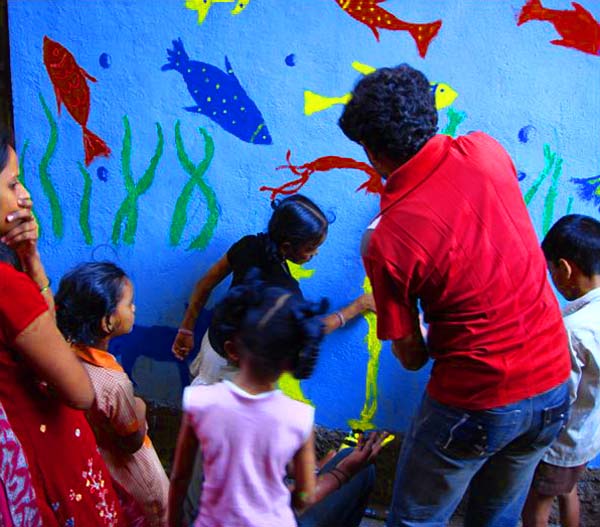
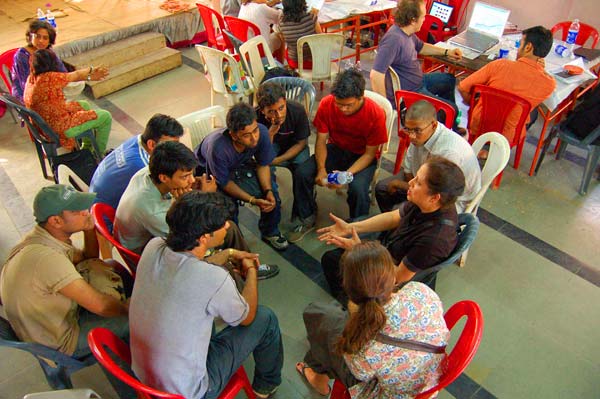
Airoots has only now recovered from something that it was involved with – along with a large, adventurous team of residents from Koliwada-Dharavi (Mumbai), and artists, architects, academics and activists from all around the world. We worked together with enthusiastic, reluctant, negative and involved residents to learn how participatory urban planning translates into practice.

We are all still learning. It was sobering and encouraging in different ways and some of the subsequent posts will explore and discuss how exactly.

For now we invite those of you who have not yet checked out these sites to do so right away!

« Previous Page