
Urban Puzzles
July 29, 2008
Travel to Europe is always a revelation in terms of scale and space. And it is not about being reminded of its obvious comparison with the Indian sub-continent as much as how it operates so differently at various levels. The population of the entire state of Switzerland is about half of that of Mumbai. As many people live in Geneva city as do in maybe one neighbourhood of Mumbai. Geneva comes across as having an ideal density in terms of size, walkability, civic and cultural infrastructure making it in fact a favourite of foreigners from other parts of Europe and the world, which accounts for nearly 40 % of its total population.
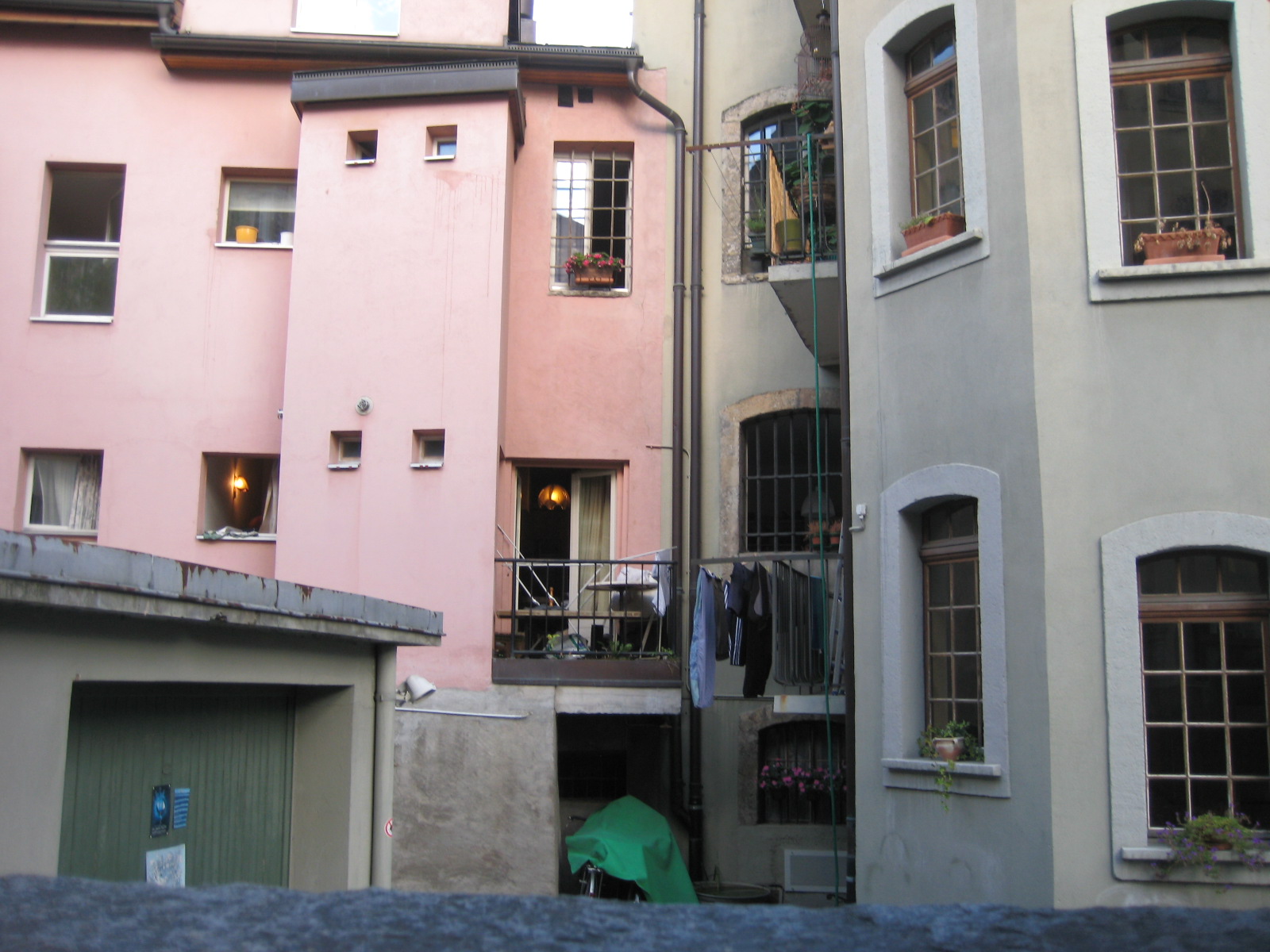
At the same time if you consider the fact the city has commuters from neigbhouring France who come to work there everyday thanks, to an excellent transport network then once again you know you can’t play around too much with population figures. Vast tracts of the country are actually urban systems in place where the formal city is only a nodal hub.  If you compare the density levels of Geneva (11,780 per square kilometers) with Mumbai’s (30,000) at face value it would mean one thing, but if you compare the fact that there are regular moments – especially during festivals and special events – when density levels even in this Swiss city increase to maybe more than 100,000, and such density levels are often considered attractive in specific contexts, you have a different story. At two separate weekend events in July, one could experience crowds that reminded you of Churchgate station at peak hour. Demographic explanation has its limits. Tokyo, at 20 million still operates with precise Swiss efficiency and doesn’t complain too much. Some parts of south Mumbai are actually showing a decline in total population figures thanks to out migration to the northern suburbs.
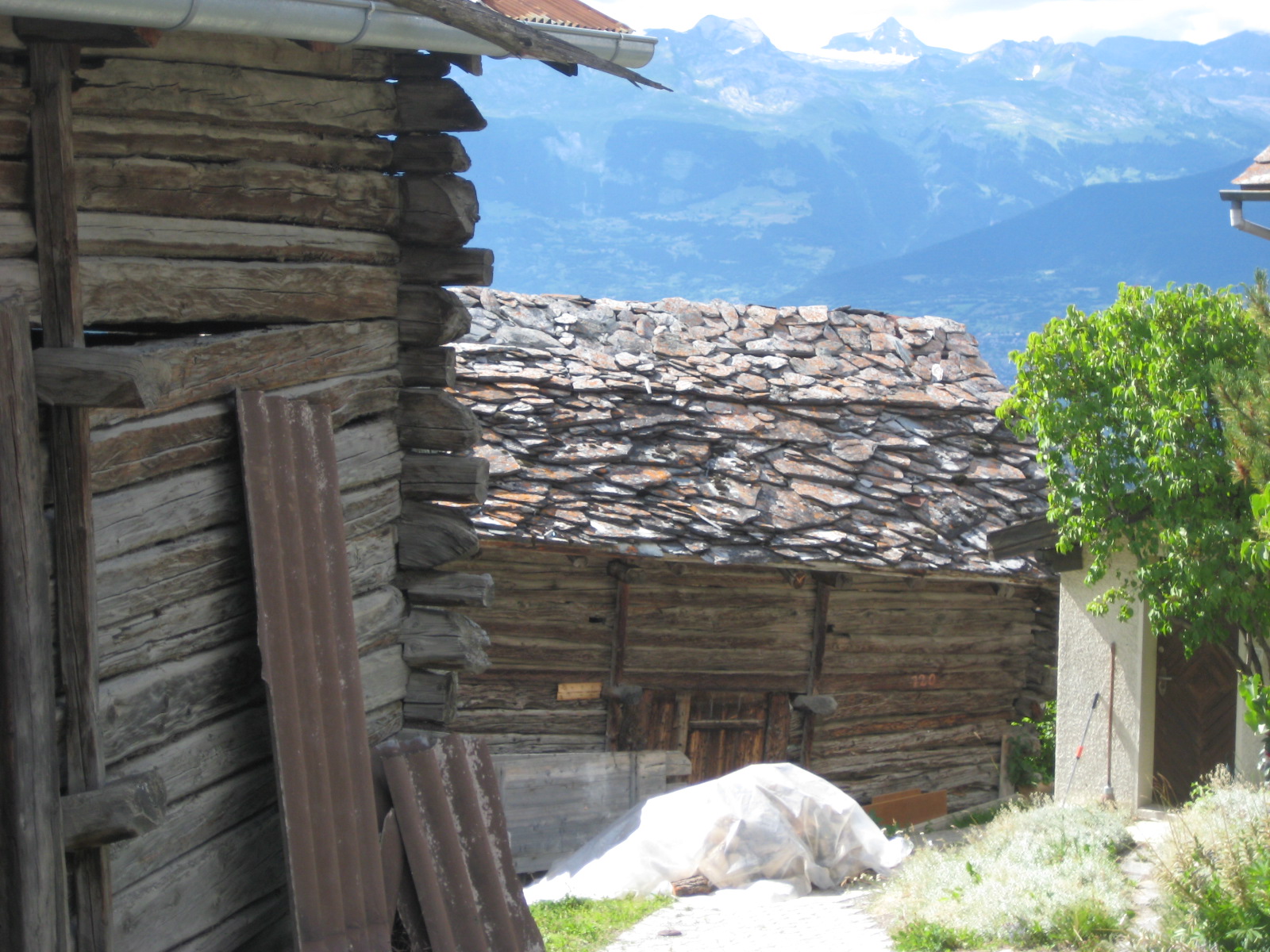
Urbanists have often wondered what is the optimum size of a city – but in reality its so difficult to develop any kind of standard norm. Proximity and density work at different levels altogether. I saw tiny European villages surrounded by vast tracts of mountainous land in which homes nestled next to each other on the same scale as a crowded Mumbai slum.
You get a similar contrary feeling when moving through the open countryside of coastal Maharashtra after having experienced the city’s over-populated intensity. At the end of the day total figures are less important than putting systems in place to respond to different kinds of needs of density, proximity and connectivity. Of course, there will be differences in textures. Regions with a history of thick organized agrarian demography will always have more people than regions. which are mountainous, coastal or forested. This holds as true for Europe as it does for India and China. Agrarian histories of Ireland, France, England, Germany, Spain revealed as much density levels as that of India and China at one point in their history and they were the ones who moved out the most. Of course – those days global laws of immigration worked differently, but that’s another story. Then maybe not. After all Mumbai too wants to contain population movements from regions of high agrarian density in the country…the urban cycle moves on.